
Museum
Museum
Welcome to the Museum of the Pontifical Biblical Institute in Jerusalem.
The Museum of the Biblical Institute has a long history. Starting as a teaching collection, with many objects acquired by Fr Alexis Mallon from 1913, the collection expanded through the archaeological work of the Jesuit Fathers in Jerusalem, particularly with the excavations at Teleilat Ghassul (1929–1938, 1959–1960), which form the greater part of our collection today.
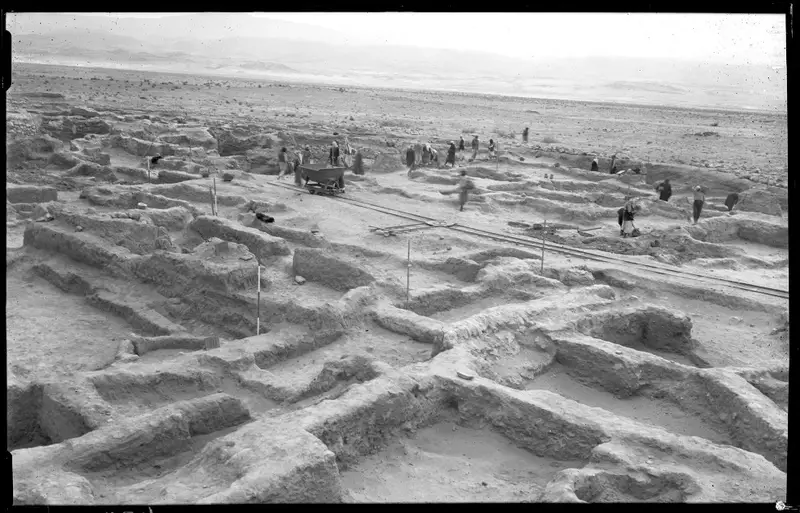
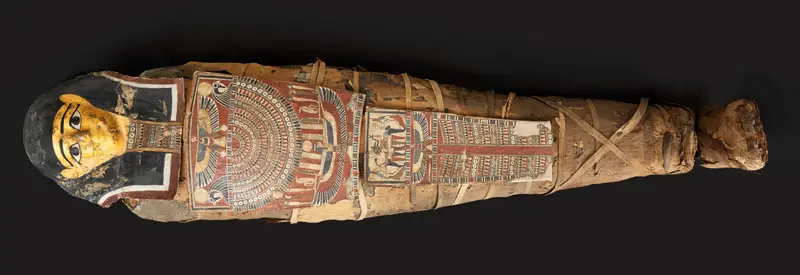
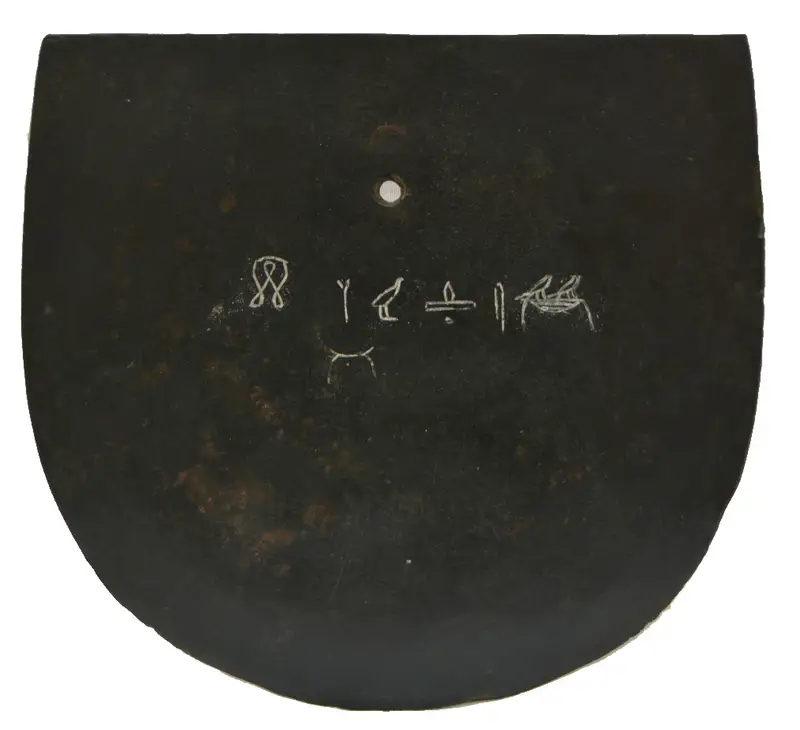
It would be fair to say that the Museum of the Pontifical Biblical Institute does not constitute one single collection, but can be divided into a number of collections. The two main collections relate to Ancient Egypt and to the material from the excavation of the Chalcolithic site of Teleilat Ghassul. There are also a number of smaller collections currently on display: pottery of various periods from the southern Levant, a typological collection of oil lamps, stamped jar handles (mostly Rhodian), and various other miscellaneous items.
The visitors’ guide takes you through the collection, showcase by showcase (work in progress).
Would you like to visit?
Our Museum can currently only be visited by prior appointment. Please book your visit here.
Please be aware that the Museum forms part of an active academic institution and Jesuit community.
Entrance to the Museum is free, but we strongly recommend a minimum donation of NIS 15 / $5 / €5 to help towards the upkeep and improvement of the Museum.
Should you be interested in conducting research on our archaeological collection and archive, please contact the curator, Rev. Prof. Josef Mario Briffa SJ, at admipib@gmail.com.
The collections
 E
E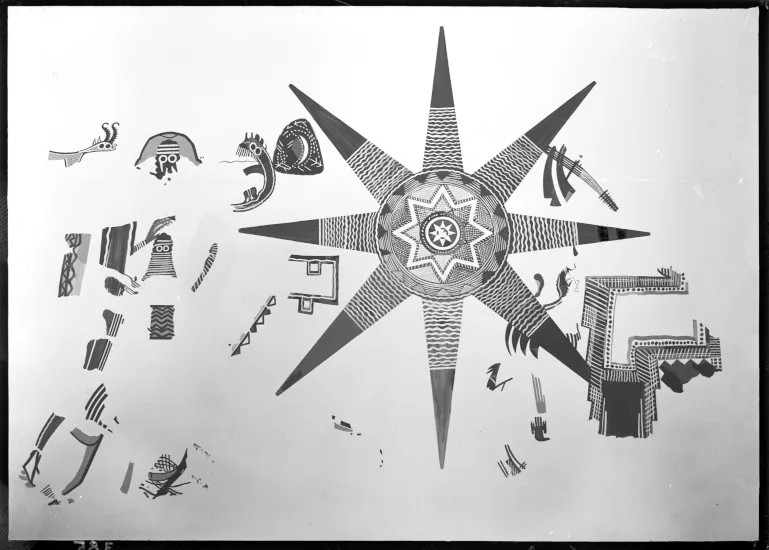 G
GVisitors’ guide
From the visitors’ guide
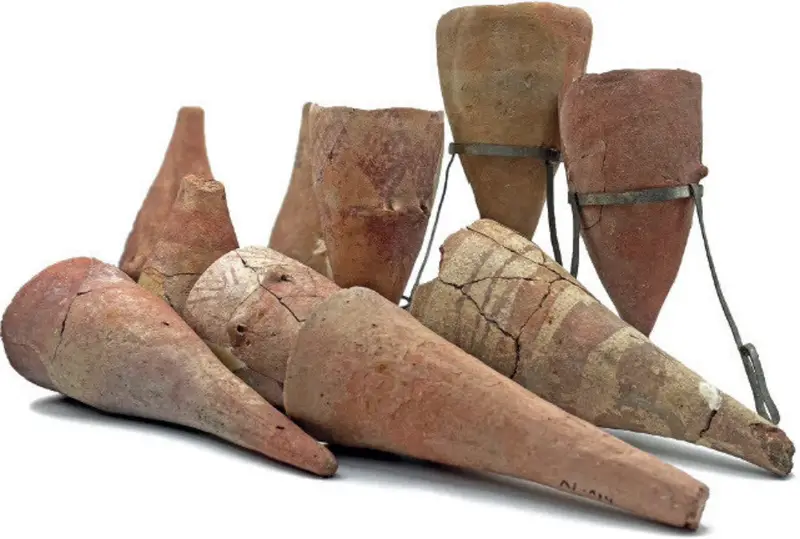
Finds from the Institute’s excavations at Teleilat Ghassul (1929–38, 1959–60), a major Chalcolithic site that remains the type-site for the period.
Opening hours
- Museum
- Monday, Wednesday, Friday09:00 – 12:00on request
Since the Museum has no dedicated staff, it can be closed without prior notice. Groups are asked to book before their visit.